
academy.mantrixa.com

📢 Welcome to Mantrixa Academy | New Courses Available | Admission Open | Free Computer Notes

Author name: Mantrixa Academy

Uncategorized

CPU Utilization

This article explains how to calculate the number of processes required in memory to achieve 80% CPU utilization in a multiprogramming operating system when each process spends 30% of its time waiting for I/O. It covers the CPU utilization formula, step-by-step numerical calculations, verification, and the key assumptions of the multiprogramming model.
Uncategorized

Key Functions of Operating System

An Operating System (OS) is essential system software that manages computer hardware and software resources. This article explains the key functions of an Operating System, including Process Management, Memory Management, File Management, Device Management, CPU Scheduling, Security, and I/O Management with practical examples. Useful for M.Sc. CS, PGDCA, BCA, and MCA students preparing for university examinations.

Operating System

Multiple Processor Scheduling

Multiple Processor Scheduling is an important CPU scheduling technique in Operating Systems that distributes processes among multiple processors to improve system performance and CPU utilization. Learn about Asymmetric Multiprocessing (AMP), Symmetric Multiprocessing (SMP), Processor Affinity, Load Balancing, working, advantages, and disadvantages with practical examples.

Operating System

Real Time Scheduling

Real Time Scheduling is an important CPU scheduling technique used in Real Time Operating Systems (RTOS) to execute tasks within their specified deadlines. This article explains the types of Real Time Systems, including Hard, Soft, and Firm Real Time Systems, along with important scheduling algorithms such as Rate Monotonic Scheduling (RMS), Earliest Deadline First (EDF), and Least Laxity First (LLF). Learn their working, characteristics, advantages, applications, and practical examples in Operating Systems. This topic is useful for M.Sc. CS, PGDCA, BCA, and MCA students preparing for university examinations.

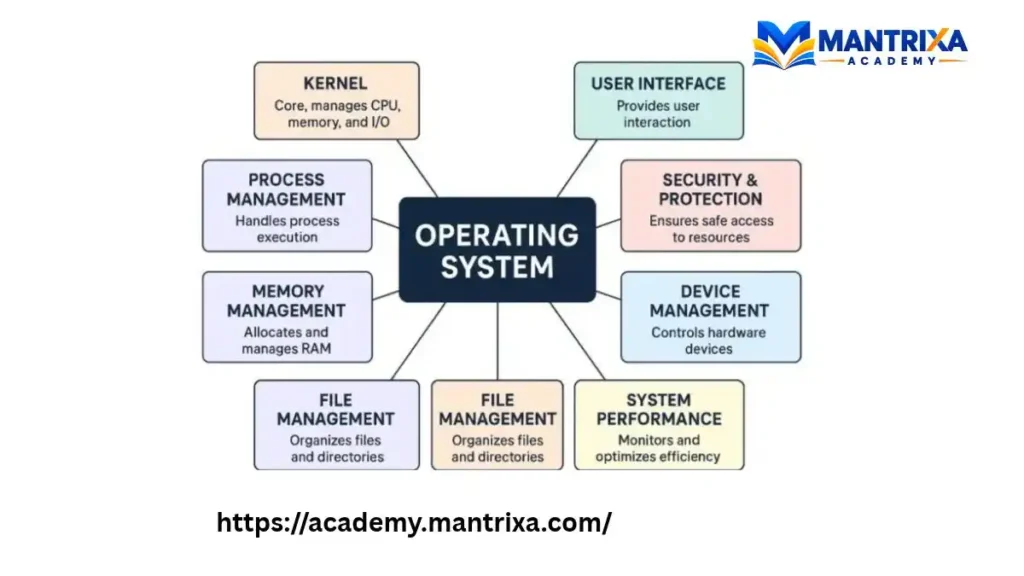
Operating System components and types diagram showing kernel, memory, process and device management
Operating System

Operating System

An Operating System (OS) is essential system software that acts as an interface between users and computer hardware. This article explains the definition, major components, functions, architecture, and different types of operating systems, including Batch, Multiprogramming, Multitasking, Time-Sharing, Multiprocessing, Real-Time, Distributed, Network, Embedded, and Mobile Operating Systems. A detailed guide for M.Sc. CS, PGDCA, BCA, and MCA students.

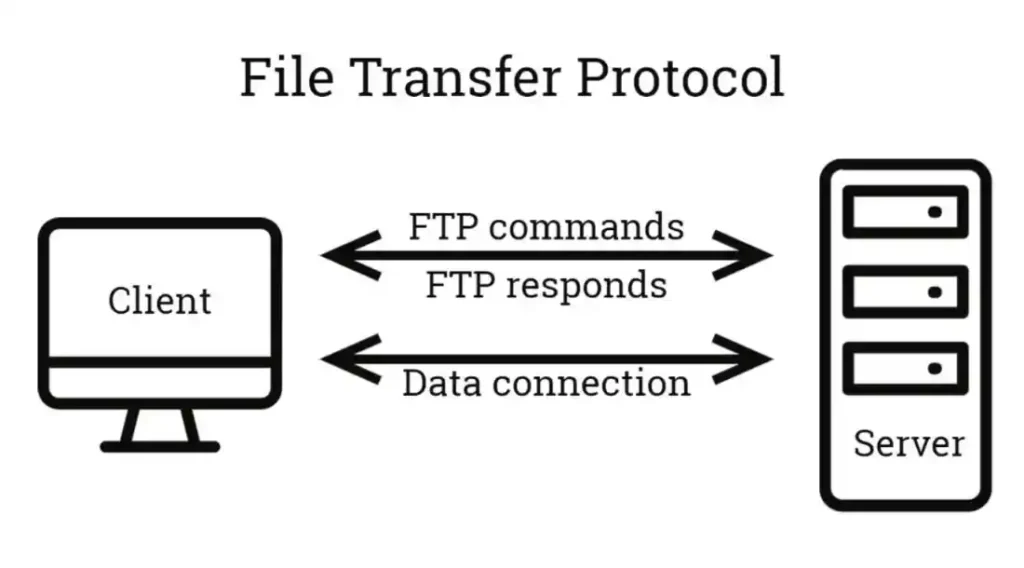
FTP File Transfer Protocol Client Server Architecture
Web Technology

Explain FTP File Transfer-Protocol

FTP (File Transfer Protocol) is an application layer protocol used to transfer files between computers over a TCP/IP network. This article explains FTP architecture, working, control and data connections, active and passive modes, important FTP commands, advantages, disadvantages, and applications with practical examples and diagrams. Ideal for M.Sc. CS, PGDCA, BCA, and MCA students.

Web Technology

what is cpanel

Learn what cPanel is and explore its features, components, working process, advantages and applications. Understand how cPanel helps manage website files, databases, email accounts, domains, FTP and security in web hosting. This guide is useful for M.Sc. CS, PGDCA, BCA and other Computer Science students.

Web Technology

HTTP Protocol Explained

Learn about the HTTP Protocol in Web Technology, including its definition, architecture, working process, HTTP methods, request and response messages, status codes, features, advantages, and applications with practical examples. This guide is useful for M.Sc. CS, PGDCA, BCA, and other Computer Science students preparing for university examinations.

Web Technology

Virtual Hosting

Virtual Hosting is a web server technology that allows multiple websites to run on a single physical server using different domain names, IP addresses, or port numbers. This article explains the three main types of Virtual Hosting—Name-Based, IP-Based, and Port-Based Virtual Hosting, including their working, examples, advantages, disadvantages, and applications. Useful for M.Sc. CS, PGDCA, BCA, and other Computer Science students.

Website Planning process showing website structure, sitemap and web development planning
Web Technology

Website Planning

Website Planning, Website Development का एक महत्वपूर्ण प्रारंभिक चरण है। इस लेख में Website Planning की Definition, Objectives, Requirements, Sitemap, Navigation, Design और Development Process को विस्तार से समझाया गया है। साथ ही, Practical Example और Diagram की सहायता से Website Planning के सभी महत्वपूर्ण Steps को आसान हिंदी में समझाया गया है। यह लेख M.Sc. CS, PGDCA, BCA और अन्य Computer Science विद्यार्थियों के लिए उपयोगी है।

Scroll to Top